


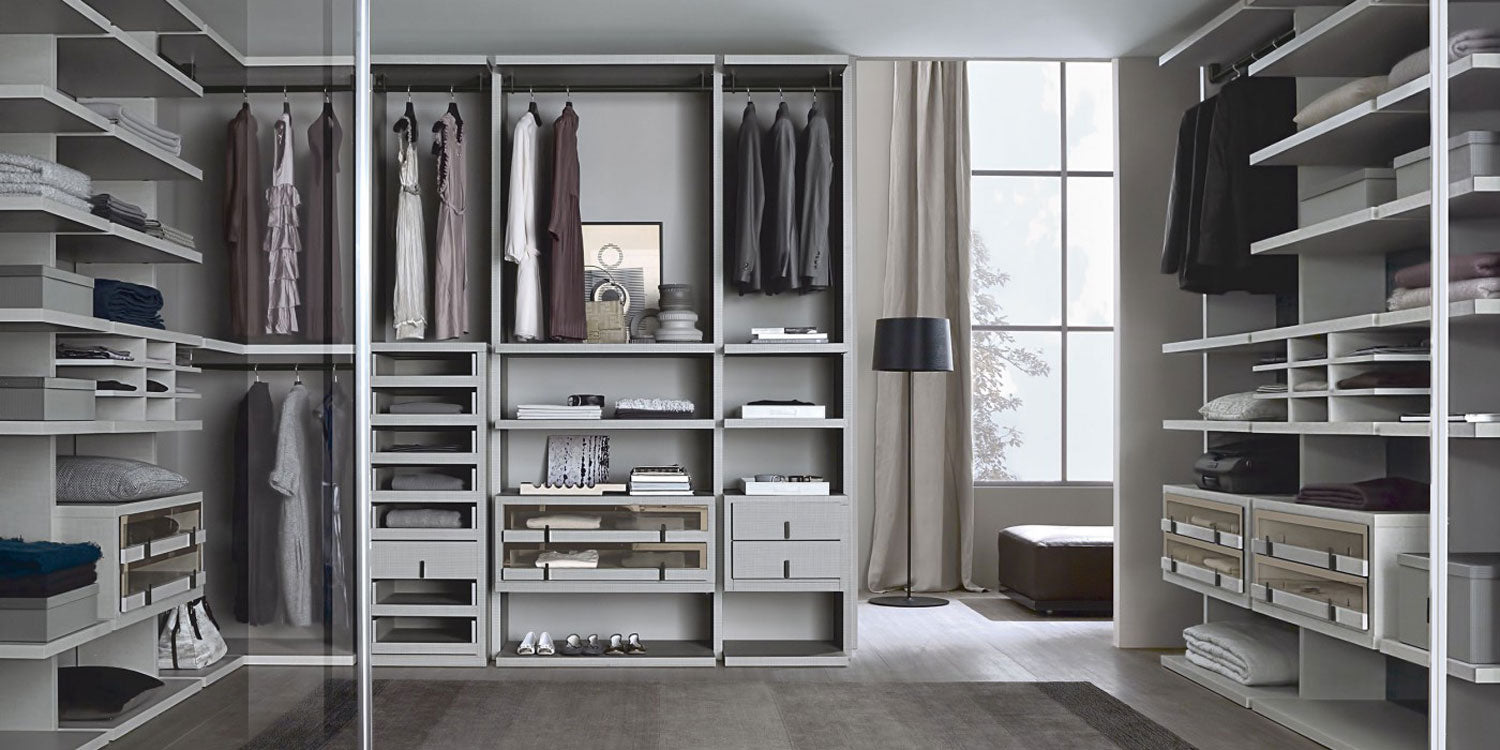
In modern wardrobe design, space optimization and ease of use have become key priorities. One of the most discussed solutions in this regard is the wardrobe lift – a mechanism that lowers the clothes rail from above to an accessible height.
But the real question isn't what a wardrobe lift is, but:
is it always the right choice?
What is a wardrobe lift and what is it for?
A wardrobe lift is a functional mechanism that allows clothes to be lowered from the upper part of the wardrobe, making them easily accessible.
It is designed for one clear purpose:
to improve access to high spaces
But it is important to understand that it:
- Does not increase the actual capacity of the wardrobe
- Does not always replace standard rails
- Does not compensate for poor design
Its value lies in its usability, not its complexity.
Why a wardrobe lift is not for every wardrobe
It is often perceived as a "premium" solution that should be in every project. In reality, its effectiveness depends on several key factors:
- Wardrobe height
- Daily use method
- User behavior
- Project typology (standard or high-end)
Without analyzing these elements, even a quality product may not provide the desired experience.
When a wardrobe lift is the ideal choice
1. Tall wardrobes with unused space
In wardrobes over 240 cm, the upper part often remains unused.
Wardrobe lift:
- Turns this area into functional space
- Increases access without changing the structure
- Improves user ergonomics
Ideal for rooms with high ceilings and custom wardrobes.
2. Rarely used clothes
This mechanism works best for:
- Coats and jackets
- Suits
- Seasonal clothing
Infrequent use ensures:
- Less wear and tear on the mechanism
- More stable operation over time
3. Premium projects and walk-in closets
In high-end wardrobes, a wardrobe lift is not only functional, but also aesthetic.
It:
- Increases the perception of quality
- Adds a “smart” element to the design
- Is easily demonstrable to the client
A detail that makes a difference in high-end projects.
When to avoid a wardrobe lift
1. When the rail is easily accessible
In standard wardrobes, a regular rail is often more practical and economical.
2. Environments with intensive and uncontrolled use
Such as:
- Rental apartments
- Common areas
- Airbnb / short-term rentals
Simple solutions are more durable.
3. Projects focused solely on price
If a wardrobe lift is installed only for "value perception," without a real need:
- It increases complexity
- It creates false expectations
- It can lower customer satisfaction
What matters more than the mechanism itself
Real performance depends not only on product quality, but on:
- Frequency of use
- Weight distribution of clothes
- Correct use of the mechanism
- Project context
Therefore, proper use is more important than technical specifications.
How professional brands use it
Serious brands do not install wardrobe lifts as standard, but:
- Use them only in tall wardrobes
- Offer them as an additional option (upgrade)
- Reserve them for premium lines
This strategy:
- Reduces unnecessary costs
- Increases customer satisfaction
- Improves product longevity
Conclusion
A wardrobe lift is an intelligent solution – but only when used in the right context.
It is not for every wardrobe, but in the right projects it can:
- Significantly increase comfort
- Improve functionality
- Add real value to the design
The right choice is not always the most complicated one, but the one that best suits the use.
Share:
Transform Your Space with Ergonomic Walk-In Closets